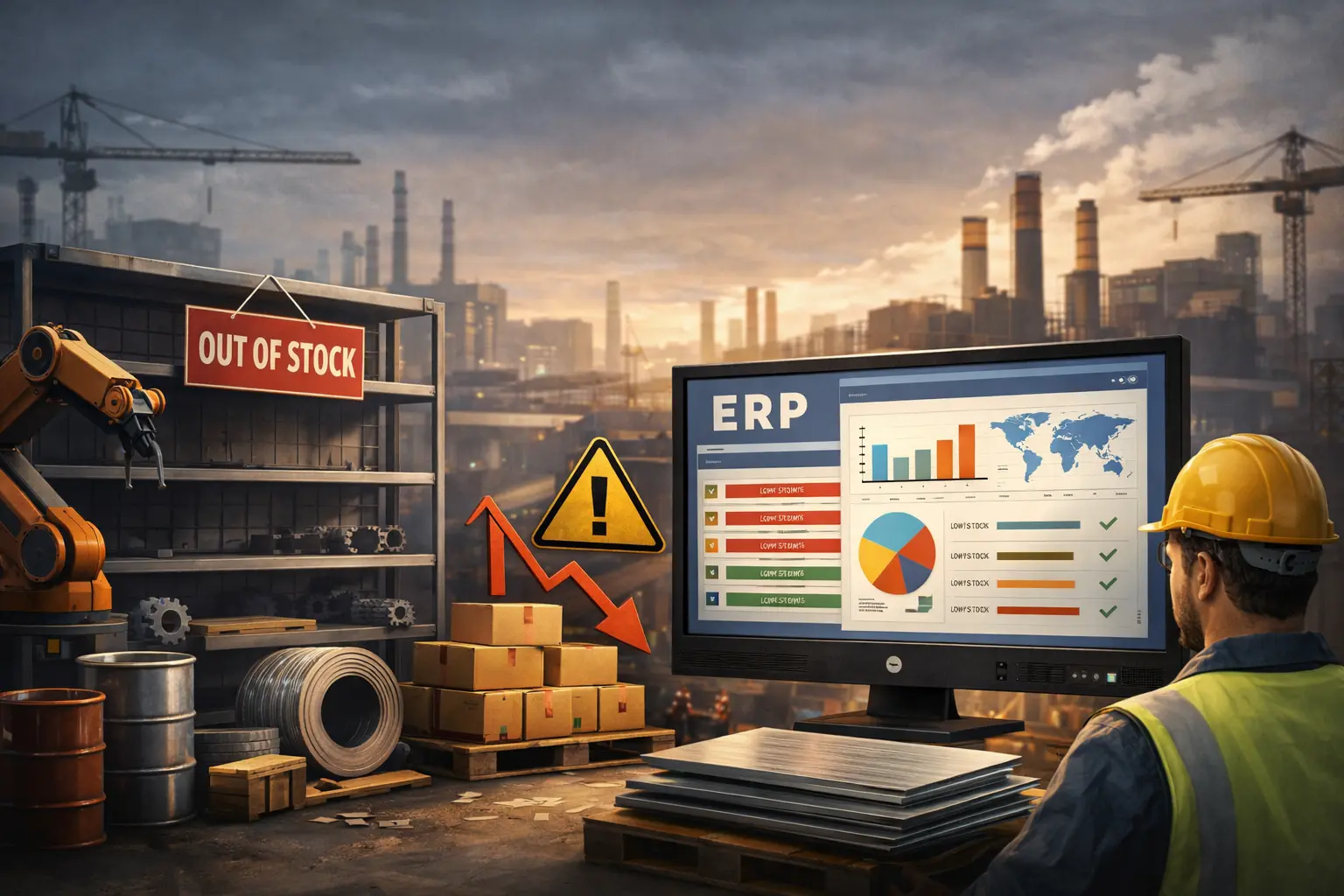
How ERP Can Help Navigate the Manufacturing Materials Shortage
Manufacturing industries today are operating in one of the most unpredictable environments in recent history. Raw material shortages, supply chain disruptions, and price volatility are no longer occasional challenges—they have become ongoing operational realities. Businesses that once relied on stable supply chains now face constant uncertainty, forcing them to rethink how they plan, procure, and produce.
In this scenario, adopting a robust ERP system is no longer optional. It has become a strategic necessity. Solutions like ERPbyNet are helping manufacturers transform how they manage materials, reduce risks, and maintain continuity even during severe shortages.
The Growing Complexity of Material Shortages
Material shortages are not caused by a single issue. They are the result of interconnected global and local factors that create ripple effects across the entire manufacturing ecosystem.
Some of the major contributors include:
- Disruptions in global supply chains due to geopolitical instability
- Sudden spikes in demand across industries
- Limited availability of critical raw materials
- Transportation delays and rising logistics costs
- Fluctuating commodity prices
These challenges create a highly volatile environment where traditional planning methods fail. Manufacturers are often left reacting to problems instead of anticipating them.
The consequences are serious:
- Production delays and missed deadlines
- Increased procurement costs
- Inefficient inventory management
- Loss of customer trust and revenue
Without a centralized system, managing these variables becomes chaotic and error-prone.
Why Traditional Approaches No Longer Work
Many manufacturing businesses still rely on fragmented systems such as spreadsheets, manual records, and disconnected software. While these methods may have worked in stable conditions, they struggle to keep up with today’s unpredictable supply chain environment.
The biggest issue is the lack of integration. Data is scattered across departments, making it difficult to get a clear and accurate view of inventory, procurement, and production. Since updates are often manual, there is always a delay between what is happening on the ground and what is reflected in the system. This delay leads to poor decision-making, especially when quick action is required during material shortages.
Forecasting is another weak point. Traditional tools do not use real-time data or advanced analytics, so demand predictions are often inaccurate. This results in either excess inventory or critical shortages, both of which increase costs and disrupt operations.
Coordination between teams also suffers. Procurement may order materials without knowing actual production needs, while production teams may remain unaware of supplier delays until it is too late. For example, a business might overstock certain materials while facing shortages of others, simply because departments are not aligned.
These gaps create inefficiencies that worsen the impact of material shortages. Instead of preventing disruptions, traditional approaches often amplify them, making it harder for manufacturers to maintain smooth and cost-effective operations.
Read More : How ERP Improves Coordination Between Construction Team
How ERP Transforms Material Shortage Management

An ERP system acts as the backbone of manufacturing operations by integrating all critical functions into a single platform. ERPbyNet enables businesses to shift from reactive firefighting to proactive, data-driven decision-making.
Real-Time Inventory Visibility and Control
One of the most immediate benefits of ERP is complete visibility into inventory across all locations.
With ERPbyNet, manufacturers can:
- Track raw materials, work-in-progress, and finished goods in real time
- Monitor stock levels across warehouses and production units
- Identify critical shortages before they impact production
This level of visibility eliminates guesswork. Decision-makers can quickly assess the situation and take corrective action, ensuring smoother operations even when supply is constrained.
Advanced Demand Forecasting for Better Planning
Accurate forecasting is crucial during material shortages. ERP systems use historical data, sales trends, and market patterns to generate reliable demand forecasts.
ERPbyNet enhances this capability by:
- Continuously updating forecasts based on real-time data
- Aligning procurement plans with actual demand
- Reducing dependency on emergency purchases
This allows manufacturers to plan ahead, secure materials in advance, and avoid last-minute disruptions that often come at a higher cost.
Intelligent Material Requirement Planning (MRP)
Material Requirement Planning is at the core of managing shortages effectively. ERP systems automate MRP processes, ensuring precise calculation of material needs.
With ERPbyNet, businesses can:
- Determine exact quantities required for production
- Schedule procurement based on production timelines
- Avoid excess inventory while ensuring availability
This balance is critical. Too much inventory increases holding costs, while too little halts production. ERP ensures optimal inventory levels at all times.
Supplier Management and Strategic Sourcing
Supplier dependency is one of the biggest risks during material shortages. ERP systems help manufacturers build a more resilient supplier network.
ERPbyNet enables:
- Centralized management of supplier data
- Performance tracking based on delivery timelines and quality
- Quick identification of alternative suppliers
This allows businesses to diversify their sourcing strategy and reduce reliance on a single vendor. In times of disruption, this flexibility becomes a major competitive advantage.
Managing Price Volatility with Data-Driven Insights
Fluctuating raw material prices can severely impact profitability. Without proper tracking, businesses may end up overpaying or missing cost-saving opportunities.
ERP systems provide:
- Real-time cost analysis
- Historical pricing trends
- Budget monitoring tools
ERPbyNet helps manufacturers:
- Identify the best time to procure materials
- Negotiate better deals with suppliers
- Maintain control over procurement budgets
This ensures that even in volatile markets, businesses can protect their margins.
Production Planning and Scheduling Optimization
Material shortages directly affect production schedules. ERP systems allow manufacturers to adapt quickly by aligning production plans with material availability.
With ERPbyNet, companies can:
- Prioritize high-value or urgent orders
- Reschedule production dynamically
- Minimize downtime and resource wastage
This flexibility ensures that production continues efficiently, even when certain materials are delayed or unavailable.
Automation and Proactive Alerts
One of the most powerful features of ERP is automation. Instead of manually tracking every aspect, the system continuously monitors operations and alerts users when action is needed.
ERPbyNet provides alerts for:
- Low inventory levels
- Delayed supplier deliveries
- Production bottlenecks
These proactive notifications enable teams to act early, preventing minor issues from becoming major disruptions.
Enhancing Collaboration Across Departments
Material shortage management is not just a procurement issue. It involves coordination between multiple departments, including inventory, production, finance, and sales.
ERP systems break down silos by providing a unified platform where all teams access the same data.
ERPbyNet improves collaboration by:
- Ensuring transparency across departments
- Aligning goals and workflows
- Reducing miscommunication
This leads to faster decision-making and more efficient operations.
Read More :ERP Security Best Practices for Sensitive Data
Real-World Impact of ERP Implementation
Manufacturers that implement ERP systems experience tangible improvements across their operations.
Common outcomes include:
- Significant reduction in material wastage
- Improved inventory turnover
- Lower procurement costs
- Enhanced production efficiency
- Better on-time delivery performance
More importantly, businesses gain the ability to respond quickly to market changes, which is essential in today’s dynamic environment.
Building a Resilient Manufacturing Operation
Material shortages are likely to remain a part of the manufacturing landscape for the foreseeable future. Instead of viewing them as temporary disruptions, businesses need to develop strategies that enable long-term resilience.
ERP systems play a crucial role in this transformation. By providing visibility, improving planning, and enabling data-driven decisions, they help manufacturers build operations that can withstand uncertainty.
ERPbyNet is designed with this objective in mind. It offers the tools and capabilities needed to not only manage current challenges but also prepare for future ones.
Don’t Let Material Shortages Slow You Down—Take Action Now
Material shortages are no longer temporary disruptions—they are ongoing challenges that demand a smarter and faster response. Businesses that continue to rely on outdated systems risk falling behind as supply chains become more complex and unpredictable. The need of the hour is a shift toward proactive planning and real-time decision-making.
An ERP system brings that capability to your operations. By connecting every critical function and providing complete visibility, it helps you stay ahead of shortages, control costs, and keep production on track. Instead of reacting to problems, you gain the power to anticipate and manage them effectively.
ERPbyNet is built to support manufacturers in exactly these situations—helping you streamline processes, improve efficiency, and build a stronger, more resilient business.
Take the next step toward smarter manufacturing. Get in Touch with Us Today
Frequently Asked Questions (FAQs)
What is a manufacturing material shortage?
A manufacturing material shortage occurs when essential raw materials required for production are unavailable or insufficient. This can happen due to supply chain disruptions, increased demand, limited supplier capacity, or logistics delays. Such shortages directly impact production schedules, cost efficiency, and delivery timelines.
How do material shortages affect manufacturing businesses?
Material shortages create multiple operational challenges. They can delay production, increase procurement costs, reduce efficiency, and lead to missed customer deadlines. Over time, this can impact profitability and damage business reputation if not managed effectively.
What is ERP and how does it help in manufacturing?
ERP (Enterprise Resource Planning) is an integrated software system that connects all core business processes such as inventory, procurement, production, and finance. In manufacturing, ERP helps streamline operations, improve visibility, and enable better decision-making, especially during disruptions like material shortages.
How does ERP improve inventory management during shortages?
ERP systems provide real-time visibility into inventory levels across all locations. This allows manufacturers to monitor stock accurately, avoid overstocking or stockouts, and make timely procurement decisions. ERPbyNet ensures that inventory data is always updated and accessible for better control.
Can ERP help in forecasting raw material demand?
Yes, ERP systems use historical data, consumption patterns, and market trends to forecast demand more accurately. This helps businesses plan procurement in advance and reduce dependency on emergency sourcing.
What role does Material Requirement Planning (MRP) play in ERP?
MRP is a core feature of ERP that calculates the exact quantity of materials required for production. It ensures that materials are available when needed while avoiding excess inventory, which is critical during shortages.
How does ERP help manage supplier-related risks?
ERP systems maintain detailed records of suppliers, including delivery performance and quality. This helps businesses evaluate vendors, identify reliable partners, and quickly switch to alternatives when disruptions occur. ERPbyNet strengthens supplier management and reduces dependency risks.
Can ERP help control raw material costs and price fluctuations?
Yes, ERP systems provide insights into pricing trends, purchase history, and cost analysis. This enables manufacturers to make better purchasing decisions, negotiate effectively, and manage budgets even in volatile markets.
How does ERP support production planning during material shortages?
ERP systems allow manufacturers to adjust production schedules based on material availability. They help prioritize orders, reschedule operations, and minimize downtime, ensuring smoother production flow despite shortages.
Why should manufacturers choose ERPbyNet?
ERPbyNet is built specifically for manufacturing businesses, offering features like real-time inventory tracking, advanced MRP, supplier management, and flexible production planning. It helps companies handle material shortages efficiently while supporting long-term operational growth.