CategoriesMRP Services for Smart Manufacturing & Production Planning | ERPbyNet

Stockouts vs Overstocking: Why Poor Inventory Decisions Are Costing You More Than You Think

In manufacturing, profitability is rarely lost in one big mistake—it slowly erodes through a series of poor decisions. One of the most critical yet overlooked areas where this happens is inventory management.

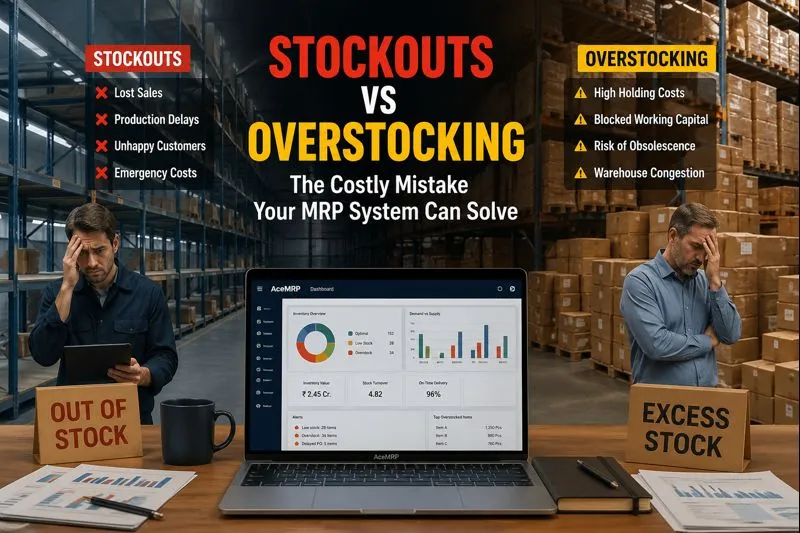
The ongoing struggle between stockouts vs overstocking is not just an operational inconvenience. It’s a double-edged business problem where both extremes silently damage margins, disrupt operations, and weaken customer trust.

When inventory runs out, revenue disappears. When inventory piles up, capital gets trapped.

At first glance, this seems like a balancing issue. But in reality, it reflects something deeper—a failure in decision-making systems.

Traditional ERP and MRP systems were built to provide visibility: what stock exists, what is needed, and when. But modern manufacturing demands more than visibility. It requires intelligence—systems that can guide decisions, not just report data.

This is where ERPbyNet’s AceMRP positions itself differently. It doesn’t just help you track inventory—it helps you make the right inventory decisions at the right time.

Stockouts: When Lack of Inventory Disrupts Revenue, Production, and Trust

Stockouts occur when demand—either from customers or production—cannot be fulfilled due to insufficient inventory.

While it may appear as a short-term issue, the ripple effects are far-reaching and often underestimated.

The Real Impact of Stockouts

  • Immediate loss of revenue due to unfulfilled orders
  • Production line stoppages caused by missing raw materials
  • Increased procurement costs due to urgent purchasing
  • Damage to customer relationships and brand reliability
  • Internal chaos as teams shift into reactive problem-solving mode

Stockouts don’t just impact sales—they disrupt the entire operational rhythm of a business.

A Practical Scenario

Imagine a manufacturing company that receives a large confirmed order. Everything is ready—except one critical component. Due to inaccurate planning, that component is out of stock.

The consequences are immediate:

  • Production halts
  • Delivery timelines are missed
  • Customer confidence drops
  • Competitors step in

One small gap in inventory leads to a chain reaction of business losses

Overstocking: When Excess Inventory Becomes a Silent Financial Burden

On the opposite end, overstocking is often misunderstood as a “safe strategy.” Many businesses believe holding extra stock reduces risk—but in reality, it introduces a different kind of risk.

Overstocking occurs when inventory levels exceed actual demand requirements.

The Hidden Costs of Overstocking

  • Capital gets locked in unsold or slow-moving inventory
  • Warehousing and storage costs increase significantly
  • Higher risk of product obsolescence or damage
  • Reduced liquidity affects overall financial flexibility
  • Inefficient use of warehouse space limits scalability

Unlike stockouts, overstocking doesn’t create immediate visible problems. Instead, it slowly drains profitability over time.

A Warehouse-Level Scenario

A company forecasts high demand and procures large volumes of raw materials. However, demand doesn’t meet expectations.

Months later:

  • Inventory remains unsold
  • Warehouse space is occupied
  • New products cannot be stocked efficiently
  • Cash flow is constrained

What initially felt like “preparedness” turns into a financial bottleneck.

The Double-Edged Problem: Why Stockouts and Overstocking Exist Together

Many organizations assume they are facing either stockouts or overstocking. In reality, most are dealing with both—simultaneously.

  • Fast-moving items frequently go out of stock
  • Slow-moving items accumulate excessively

This imbalance highlights a critical issue:
Inventory decisions are not aligned with actual demand patterns.

The root problem is not inventory itself—it is the lack of synchronized, data-driven decision-making across procurement, production, and sales.

Without intelligent coordination:

  • Some items are under-planned
  • Others are over-planned

The result is a system that is constantly out of balance.

Read More : Why Elevator Companies Struggle to Track AMC Contracts

The True Business Impact: How Inventory Imbalance Erodes Margins

Inventory mismanagement directly affects financial performance, often in ways that are not immediately visible.

Revenue Loss from Stockouts

  • Missed sales opportunities
  • Reduced order fulfillment rates
  • Loss of repeat customers
  • Declining market competitiveness

Cost Leakage from Overstocking

  • Increased inventory carrying costs
  • Insurance, maintenance, and handling expenses
  • Write-offs due to expired or obsolete stock

Operational Inefficiencies Across the Board

  • Frequent production rescheduling
  • Increased dependency on emergency decisions
  • Reduced workforce productivity

Strategic Consequences

  • Poor forecasting credibility
  • Weak confidence in planning systems
  • Inability to scale operations effectively

Summary Comparison Table

Impact AreaStockoutsOverstocking
RevenueDirect loss of salesNo immediate revenue benefit
CostExpedited procurement costsHigh storage and carrying costs
OperationsProduction downtimeWarehouse congestion
Cash FlowDelayed inflowsBlocked working capital
StrategyCustomer dissatisfactionReduced business agility

The key takeaway:
Both extremes reduce profitability—just in different ways.

Why Traditional Approaches Fail to Balance Inventory Effectively

Despite widespread adoption of ERP and MRP systems, many manufacturers still struggle with stockouts vs overstocking. The issue is not a lack of data—it’s the lack of intelligent, timely decision-making.

Traditional systems focus on visibility, but inventory balance requires actionable insights and synchronized decisions. Here’s where they fall short:

Limited Real-Time Visibility Slows Down Decisions

Most systems provide data, but not in true real time. Information is often delayed, fragmented, or spread across modules.

  • Inventory levels don’t reflect actual on-ground stock instantly
  • Procurement and production data are not fully synchronized
  • Decisions rely on outdated reports

This delay leads to decisions based on past conditions, resulting in either stockouts or excess inventory.

Inaccurate Demand Planning Creates Imbalance

Traditional demand planning depends heavily on historical data, which fails in dynamic markets.

  • Assumes past trends will repeat
  • Ignores demand fluctuations and seasonality
  • Lacks real-time adjustment

As a result:

  • High-demand items run out of stock
  • Low-demand items accumulate unnecessarily

Static Planning Models Cannot Adapt

Fixed rules like reorder points and safety stock levels are widely used but rarely updated.

  • No flexibility to adjust with changing demand
  • Assumes stable lead times and consumption patterns
  • Continues outdated planning logic

This rigidity leads to consistent mismatch between supply and demand.

Siloed Decision-Making Breaks Alignment

Different departments operate independently, leading to disconnected decisions.

  • Procurement focuses on bulk buying
  • Sales pushes demand without supply alignment
  • Production plans without real-time inventory validation

Without coordination, businesses face overstock in some areas and shortages in others.

Overuse of Safety Stock Increases Costs

Safety stock is often used as a fallback instead of improving planning accuracy.

  • Compensates for poor forecasting
  • Masks supply chain inefficiencies
  • Leads to long-term overstocking

What starts as a buffer becomes a financial burden.

Root Cause vs Business Outcome

Root CauseBusiness Outcome
Static planningInventory imbalance
Poor forecastingDemand-supply mismatch
Siloed operationsInefficient decisions
Delayed insightsReactive responses

Read More : How ERP Can Help Navigate the Manufacturing Materials Shortage

The Intended Role of MRP Systems vs the Reality Businesses Experience

What an MRP System Is Supposed to Do

An ideal MRP system should:

  • Align demand forecasts with supply planning
  • Ensure timely procurement of materials
  • Optimize inventory levels
  • Support smooth production scheduling

Where Traditional MRP Systems Fall Short

In practice, many systems:

  • Focus on reporting rather than decision-making
  • Depend heavily on manual inputs
  • Lack real-time adaptability
  • Fail to integrate planning with execution

This creates a critical gap:
Businesses know what is happening—but not what they should do next.

How ERPbyNet’s AceMRP Transforms Inventory from Guesswork to Intelligent Decision-Making

Most MRP systems help you see what’s happening. AceMRP is built to help you act on it with clarity and precision.

Instead of treating stockouts and overstocking as isolated issues, AceMRP addresses the deeper challenge—how decisions are made across inventory, procurement, and production. It connects real-time data with intelligent logic to ensure every action is timely, aligned, and outcome-driven.

Real-Time Visibility That Leads to Immediate Action

Visibility becomes valuable only when it enables faster and better decisions. AceMRP ensures that all stakeholders operate with accurate, real-time information.

  • Centralized view of inventory across all locations
  • Live tracking of stock movement and consumption
  • Instant identification of shortages and excess

This removes delays and ensures decisions are based on current conditions, not outdated reports.

Adaptive Demand Planning That Reflects Market Reality

Instead of relying on static forecasts, AceMRP continuously adjusts demand planning based on evolving data.

  • Uses real-time demand trends and historical patterns
  • Updates forecasts dynamically as conditions change
  • Aligns sales projections with production and procurement

This reduces planning errors and ensures inventory aligns closely with actual demand.

Automated Replenishment That Maintains Balance

Manual replenishment often leads to inconsistency. AceMRP introduces system-driven replenishment to maintain optimal stock levels.

  • Auto-generated reorder recommendations
  • Elimination of manual estimation errors
  • Balanced inventory without overstocking or shortages

This creates a consistent and controlled inventory flow.

Integrated Production and Inventory Planning

AceMRP ensures that production plans are always aligned with material availability.

  • Synchronizes inventory data with production schedules
  • Prevents delays caused by missing materials
  • Enables smoother, uninterrupted workflows

This alignment improves efficiency and reduces operational disruptions.

Scalable Inventory Optimization Across SKUs

Managing large volumes of inventory requires more than manual oversight. AceMRP applies intelligence at scale.

  • Recommends optimal stock levels for each SKU
  • Identifies excess and slow-moving inventory
  • Improves inventory turnover and reduces capital lock-in

This allows businesses to operate with lean and efficient inventory.

Proactive Exception Handling Instead of Reactive Fixes

AceMRP identifies risks early, allowing teams to act before problems escalate.

  • Early alerts for potential stockouts
  • Notifications for excess inventory buildup
  • Faster and more confident decision-making

This shifts operations from reactive firefighting to proactive control.

Stronger Supplier Coordination and Procurement Planning

Procurement decisions become more aligned and predictable with better visibility and planning.

  • Procurement cycles aligned with actual demand
  • Improved coordination with suppliers
  • Reduced variability in lead times

This leads to more reliable supply and fewer disruptions.

How AceMRP Solves Core Inventory Challenges

Business ChallengeTraditional OutcomeAceMRP Outcome
Limited visibilityDelayed decisionsReal-time, actionable insights
Inaccurate forecastingDemand-supply mismatchDynamic, adaptive demand planning
Manual replenishmentOver/under orderingAutomated, balanced replenishment
Production misalignmentDowntime and inefficienciesSynchronized production and inventory
Excess inventoryBlocked capitalOptimized stock levels
Late issue detectionReactive firefightingProactive alerts and early intervention
Supplier inconsistencyDelays and uncertaintyBetter coordination and predictable supply

AceMRP enables a shift from assumption-based planning to data-driven, synchronized decision-making, helping manufacturers consistently avoid both stockouts and overstocking while improving overall operational performance.

Before and After: A Practical Transformation with AceMRP

Before Implementing AceMRP

  • Frequent stockouts of critical materials
  • Excess inventory of low-demand items
  • Production delays and missed deadlines
  • High working capital blockage
  • Constant reactive firefighting

After Implementing AceMRP

  • Balanced inventory aligned with demand
  • Significant reduction in stockouts and overstocking
  • Smooth and predictable production planning
  • Improved cash flow and capital utilization
  • Shift from reactive to proactive decision-making

The transformation is not incremental—it’s foundational.

Key Business Benefits of a Decision-Driven MRP System

  • Higher Profitability through optimized inventory levels
  • Improved Cash Flow by reducing excess stock
  • Operational Efficiency with synchronized processes
  • Enhanced Customer Satisfaction through reliable deliveries
  • Greater Business Agility in responding to demand changes

Moving Beyond Visibility: From Data Tracking to Decision Intelligence

Traditional ERPAceMRP (ERPbyNet)
Tracks and displays dataInterprets and drives decisions
Reactive approachProactive approach
Manual interventionAutomated intelligence
Static rulesDynamic optimization

Critical Insight:
Visibility without action leads to delay. Decision intelligence turns data into business outcomes.

Stop Managing Inventory—Start Making Smarter Decisions with AceMRP

The challenge of stockouts vs overstocking is not just about inventory—it reflects how effectively your business makes decisions. When planning relies on outdated data, static rules, or disconnected departments, imbalance becomes unavoidable. The result is a continuous cycle of missed opportunities, excess costs, and operational inefficiencies that directly impact your bottom line.

Today’s manufacturing environment demands more than visibility—it demands clarity, speed, and precision in decision-making. Businesses that continue to operate reactively will always struggle to maintain balance. The real shift happens when you move from tracking inventory to actively controlling it through intelligent systems.

ERPbyNet’s AceMRP is built to enable that shift. By combining real-time insights with automated planning and synchronized execution, it empowers your team to make faster, smarter, and more confident decisions. Instead of constantly fixing problems, you gain the ability to prevent them.

If inventory imbalance is affecting your operations, now is the time to act. Connect with our team to understand how AceMRP can help you reduce stockouts, avoid excess inventory, and bring complete control to your supply chain decisions.

Frequently Asked Questions (FAQs)

What is the difference between stockouts and overstocking?

Stockouts occur when a business runs out of inventory and cannot meet demand, leading to lost sales and production delays, whereas overstocking happens when excess inventory is held beyond actual demand needs, resulting in increased carrying costs, blocked working capital, and inefficiencies. While they appear opposite, both stem from poor planning and decision-making rather than just inventory mismanagement.

Why do stockouts and overstocking happen at the same time in a business?

Stockouts and overstocking often occur simultaneously because different products are managed using inconsistent or outdated planning methods, where fast-moving items are under-forecasted and slow-moving items are overestimated. This imbalance is typically caused by siloed decision-making, lack of real-time data, and static inventory rules that fail to adapt to changing demand patterns.

How do stockouts and overstocking impact profitability?

Stockouts directly reduce revenue by causing missed sales opportunities and customer churn, while overstocking increases operational costs through storage, insurance, and potential obsolescence. Together, they create a dual financial strain—one by limiting income and the other by increasing expenses—ultimately eroding overall profit margins.

What role does an MRP system play in inventory optimization?

An MRP system is designed to align demand with supply by planning material requirements, managing inventory levels, and supporting production schedules, but traditional systems often fall short because they rely on static rules and manual inputs. Modern solutions like AceMRP enhance this role by introducing real-time insights and automated decision-making, enabling businesses to proactively balance inventory and reduce inefficiencies.

How does ERPbyNet’s AceMRP help reduce stockouts and avoid excess inventory?

AceMRP helps reduce stockouts and overstocking by combining real-time visibility with intelligent demand planning, automated replenishment, and exception-based alerts, ensuring that inventory decisions are timely and data-driven. By synchronizing procurement, production, and inventory management, it enables businesses to maintain optimal stock levels, improve cash flow, and respond quickly to changing market conditions.

CategoriesMRP Services for Smart Manufacturing & Production Planning | ERPbyNet

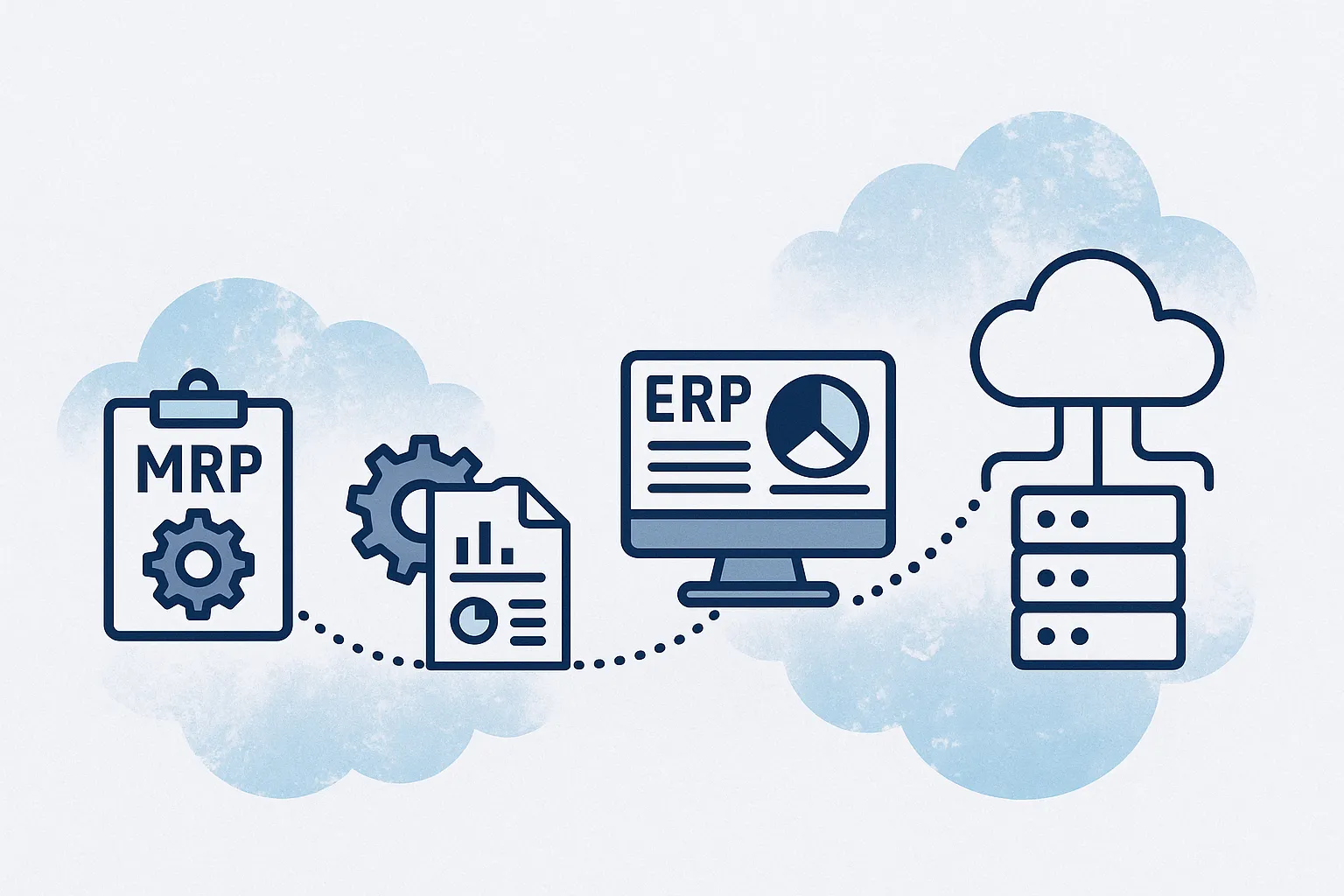
The Evolution of MRP Systems: From Legacy Tools to Cloud-Based Platforms

Running a small or medium-sized business often feels like trying to juggle too many balls while someone keeps throwing in more. At first, it’s manageable — a few spreadsheets, some manual processes, and a small, tightly knit team. But as your company grows, the gaps in your systems start to show.

Suddenly, inventory is misplaced because the spreadsheet wasn’t updated in time. Payroll is delayed because HR and accounting are working on different data. Procurement orders clash with warehouse realities. You spend more time putting out fires than planning for growth. This operational chaos isn’t a sign of poor management — it’s a natural result of outdated tools that simply can’t keep up.

Years ago, Material Requirements Planning (MRP) was considered revolutionary. It automated the complex process of planning materials for production, freeing businesses from total reliance on manual calculations. But while MRP was powerful for its time, it was also narrow in focus. It didn’t know about your customers, your finances, your HR team, or your long-term growth strategy.

Today, we operate in a world that demands speed, flexibility, and integration across every department. That’s why MRP has evolved into Enterprise Resource Planning (ERP). And that’s where ERPbyNet comes in — providing modern, cloud-based ERP solutions like AceMRP that connect every part of your business, from inventory and HR to finance and sales.

The Origins: MRP in the 1960s

In the 1960s, manufacturing faced a common challenge: matching supply with demand. Manufacturers had to ensure raw materials were available when needed, but without overstocking. Overstock tied up cash and storage space; understock meant production delays and unhappy customers.

Material Requirements Planning was invented to solve this. At its core, MRP took three critical inputs:

  1. Bills of Materials (BOM) — The exact list of raw materials and components needed to build a product.

  2. Master Production Schedule (MPS) — The timetable of when each product would be made.

  3. Inventory Data — How much stock was currently on hand.

By combining these, MRP could tell manufacturers exactly when to order materials. It reduced guesswork, improved cash flow, and gave managers more confidence in production planning. However, early MRP systems ran on massive mainframes and were only accessible to large corporations. They were powerful but not flexible, and they only solved one piece of the puzzle.

The Evolution to MRP II in the 1980s

By the 1980s, businesses wanted more than just materials planning. They needed to plan labor schedules, machine usage, and costs. Manufacturing Resource Planning (MRP II) expanded the scope to include:

  • Capacity Planning: Matching production schedules to the actual capacity of machines and labor.

  • Workforce Scheduling: Ensuring the right number of workers were available for each production run.

  • Cost Tracking: Adding a layer of financial visibility to manufacturing decisions.

MRP II allowed businesses to plan more realistically and avoid assuming they had infinite resources. It was a big step forward — but still very much centered on manufacturing, with little connection to other critical areas like sales, finance, or HR.

The Birth of ERP in the 1990s

In the 1990s, business leaders realized something important: even the best manufacturing plan would fail if the rest of the company wasn’t aligned. Sales needed to know what could be produced and when. Finance needed to understand the cost implications of production decisions. HR needed to plan staffing based on production schedules.

This led to the rise of Enterprise Resource Planning (ERP) — systems designed to integrate every core function of a business into one platform. ERP included:

  • Finance and Accounting: Full general ledger, accounts payable and receivable, budgeting, and reporting.

  • Human Resources: Payroll, recruitment, compliance, and employee data management.

  • Customer Relationship Management (CRM): Sales tracking, lead management, and customer service.

  • Procurement: Supplier management and automated purchasing.

  • Inventory and Warehouse Management: Real-time stock levels, warehouse tracking, and distribution control.

The integration meant that if sales confirmed a new order, production schedules and procurement would adjust automatically. Finance would see the projected cash flow impact. HR could schedule extra shifts if needed. ERP provided a “single source of truth” — something legacy MRP systems could never achieve.

Read More : Production Planning Simplified: Why MRP software Is the Core of Smart Factories

The Cloud ERP Revolution

The Cloud ERP Revolution

Originally, ERP systems were massive, expensive, and complex. They were installed on company-owned servers and required large IT teams to maintain. This made ERP inaccessible for most SMEs.

The shift to cloud computing in the 2000s changed everything. Cloud-based ERP platforms brought:

  • Accessibility from Anywhere: All you need is an internet connection.

  • Lower Upfront Costs: Subscription-based pricing instead of huge hardware investments.

  • Scalability: Start with what you need, add modules as your business grows.

  • Automatic Updates: Always running the latest version with improved features.

Today, solutions like AceMRP from ERPbyNet bring enterprise-grade ERP capabilities to SMEs without the high cost or complexity.

Why Legacy Systems Hold Businesses Back

Even today, many businesses still rely on spreadsheets, disconnected software, or outdated on-premises MRP. This creates several challenges:

1. Inventory Chaos

Without real-time tracking, stock levels become inaccurate. Multiple warehouses or sales channels make this worse. Overstock wastes money, understock delays production, and both damage customer trust.

2. Payroll and HR Delays

When HR and finance operate on different systems, payroll processing becomes slow and error-prone. Compliance issues arise, and staff morale suffers.

3. Data Silos

Departments have their own “truth,” leading to mismatched numbers and poor decision-making. Finance may think the business is profitable while operations see growing losses.

Read More : Cloud-Based ERP vs. On-Premise ERP: What’s Right for Your Business

How Cloud ERP Solves These Problems

How Cloud ERP Solves These Problems

Unified Inventory and Procurement

In many businesses, inventory management is a constant source of frustration because information is scattered across different systems or updated only after the fact. This often results in costly errors — such as running out of essential materials in the middle of production or overstocking slow-moving items that tie up working capital.

With a cloud ERP platform like AceMRP from ERPbyNet, inventory data is shared across all your locations and updated in real time. This means your warehouse in one city and your retail outlet in another are always looking at the same, accurate stock levels. The system can automatically trigger purchase orders the moment inventory falls below a defined threshold, ensuring you never face unexpected shortages. At the same time, it prevents unnecessary overstocking by aligning procurement with actual demand patterns and supplier lead times. This level of precision leads to leaner, more efficient operations and healthier cash flow.

Integrated Accounting and HR

Finance and HR are two of the most data-sensitive functions in any business, yet they are often the most disconnected when using legacy tools. Accounting teams frequently spend hours re-entering operational data into finance systems, while HR managers struggle with manual payroll processing and fragmented compliance tracking. These inefficiencies not only waste valuable time but also increase the risk of costly errors.

ERPbyNet’s cloud ERP solutions integrate finance modules directly with operational data, eliminating the need for duplicate data entry. Every sale, purchase, or expense is automatically recorded in your accounting system, allowing finance teams to generate accurate, up-to-the-minute reports. HR automation takes care of payroll processing, leave tracking, and compliance management in a fraction of the time it would take manually. This integration ensures that your financial records are always correct, payroll is never delayed, and compliance requirements are consistently met.

Centralized Dashboards and APIs

Decision-making suffers when leaders have to pull data from multiple systems and reconcile it manually. By the time a complete picture emerges, the situation may have already changed. This reactive approach is a major drawback of traditional systems.

With ERPbyNet’s cloud ERP, all your critical business information is presented in centralized dashboards that update in real time. Whether you need to check sales performance, track inventory levels, monitor production schedules, or review financial KPIs, it’s all available at a glance. These dashboards give you a live pulse on your business, enabling faster and more confident decision-making.

Additionally, built-in APIs make it easy to connect the ERP with third-party tools such as logistics providers, e-commerce platforms, or CRM systems. This means your ERP becomes the central hub of your business ecosystem, ensuring that every tool you use works together seamlessly without manual intervention.

Read More :The Difference Between ERP and MRP Explained (For First-Time Buyers)

ERPbyNet in Action: Real-World Examples

Karthik’s Manufacturing Firm
Karthik’s mid-sized manufacturing business ran on spreadsheets. Order delays, high inventory costs, and inaccurate forecasts were common. Implementing AceMRP from ERPbyNet reduced inventory holding costs by 30% and improved order fulfillment by 20%.

Priya’s Textile Startup
Payroll delays and HR-finance misalignment slowed Priya’s operations. After switching to ERPbyNet’s ERP implementation service, payroll ran on time, HR compliance improved, and production schedules were met without last-minute crises.

ROI and Market Trends

  • Gartner reports that over 70% of SMEs now choose cloud ERP over traditional MRP.

  • Businesses moving from on-premises MRP to cloud ERP often see ROI improvements of 200% within 2–3 years.

  • Solutions like Zoho ERP, ERPNext, and SAP S/4HANA highlight the shift, but SMEs often choose tailored options like AceMRP for better fit and affordability.

The Future of ERP

ERP is no longer just a system of record — it’s becoming a system of intelligence. Trends include:

  • AI-Driven Forecasting for predicting demand and preventing shortages.

  • Low-Code Automation so non-technical teams can customize workflows.

  • IoT Integration connecting production equipment directly to ERP.

  • Compliance-Ready Modules automating regulatory reporting.

Read More : Top 10 ERP Implementation Mistakes and How to Avoid Them

Why Choose ERPbyNet

Why Choose ERPbyNet

Specialized in SME Needs

Many ERP systems are designed with large corporations in mind, making them too complex, expensive, or resource-heavy for small and medium-sized enterprises. ERPbyNet takes a different approach. Our solutions are designed specifically for SMEs, meaning every feature, every workflow, and every integration is scaled to match your operational needs and your budget. Whether you’re a growing startup or an established mid-sized company, our ERP tools are practical, affordable, and built to deliver measurable value without unnecessary complexity.

End-to-End Implementation

Choosing the right ERP platform is just the first step — getting it implemented effectively is where the real transformation happens. ERPbyNet offers a complete, guided journey from the initial needs assessment to system configuration, data migration, user training, and post-launch support. We work closely with your team to understand your processes and challenges so the ERP setup aligns perfectly with your business goals. This ensures your investment delivers maximum return from day one.

Flexible and Scalable

Your business is not static — and your ERP system shouldn’t be either. With ERPbyNet, you can start with the modules you need most, such as inventory management or accounting, and then expand into additional areas like HR automation, procurement, or analytics as your business grows. This flexibility allows you to adopt ERP in phases, controlling costs while ensuring the system evolves in step with your company’s expansion and changing requirements.

Conclusion

The evolution from traditional MRP systems to modern ERP platforms mirrors the increasing complexity of today’s business landscape. What worked in the past — isolated systems, manual tracking, and reactive planning — no longer provides the speed, accuracy, and visibility needed to compete. Businesses that continue to rely on outdated systems risk inefficiency, poor decision-making, and slower growth.

AceMRP from ERPbyNet offers the solution: a cloud-based ERP platform that integrates all your core business processes, delivers real-time insights, and scales with your growth. By replacing fragmented tools with a centralized, intelligent system, you gain control, clarity, and the agility to respond quickly to market changes. In a fast-moving business world, this isn’t just an upgrade — it’s a competitive advantage.

FAQs

What is the difference between MRP and ERP?
MRP is focused on planning materials and scheduling production to meet demand efficiently. ERP, on the other hand, integrates all core business functions — including finance, HR, sales, inventory, and procurement — into one centralized platform for complete operational visibility.

Is cloud ERP secure?
Yes. Cloud ERP systems use strong encryption, secure logins, and role-based permissions to safeguard sensitive business data. These measures ensure only authorized users have access while maintaining compliance with industry security standards.

Can SMEs afford cloud ERP?
Absolutely. Cloud ERP uses subscription-based pricing and phased implementation, allowing SMEs to start small and expand as needed. This approach helps achieve quick ROI through efficiency gains and reduced operational costs.

How long does ERP implementation take?
Most SMEs can expect implementation to take between 8–16 weeks. This period covers business needs assessment, system configuration, data migration, user training, and a smooth go-live process.

What if I’m moving from spreadsheets or legacy MRP?
ERPbyNet manages the entire transition, from migrating your existing data to configuring workflows and training your team. This ensures you move to the new system with minimal disruption to daily operations.

How does ERP support business growth?
ERP systems are designed to scale with your business. You can add new modules, integrate additional tools, and expand functionality as you grow — all without interrupting current processes.


CategoriesMRP Services for Smart Manufacturing & Production Planning | ERPbyNet

The Difference Between ERP and MRP Explained (For First-Time Buyers)

Let’s paint a picture. You’re running a small but fast-growing business. You’ve got orders coming in, a supplier who’s always late, and a production schedule held together with sticky notes and good intentions. Your team is resourceful, but every week feels like a scramble. You have inventory data in one spreadsheet, invoices in another, and a half-dozen emails about why stock ran out… again.

This is what we call “spreadsheet survival mode.” It works—until it doesn’t.

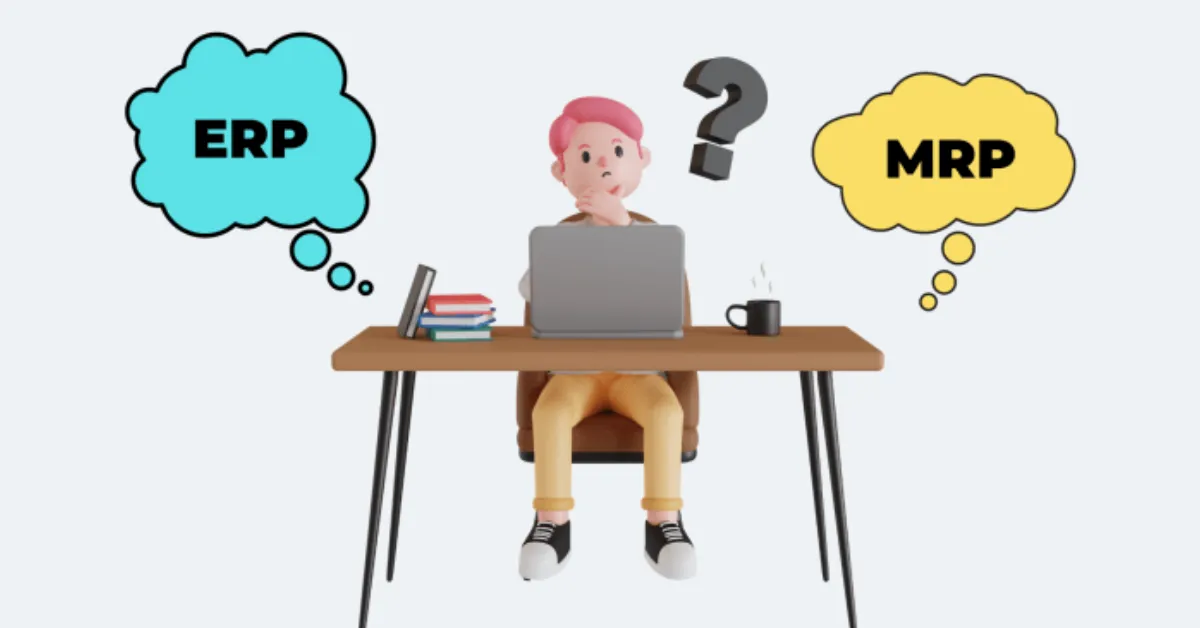
Eventually, you’ll wonder: “Should we get better software?” You start researching and stumble upon ERP. Then, a few clicks later, you find MRP. Wait—aren’t those the same thing? Is MRP part of ERP? Do I need both? Or just one?

Take a deep breath—we’ve got you. Whether you’re in manufacturing, distribution, or assembling products in your garage with a dream and a credit line, this guide is designed to help first-time buyers like you understand what ERP and MRP actually do, how they differ, and how they work together to make your business smoother, faster, and smarter.

At ERPByNet, we work with businesses just like yours—those at the tipping point between chaos and control—to help you choose the right tools that grow with you.

ERP vs MRP: Decoding the Acronyms

ERP vs MRP: Decoding the Acronyms

Let’s break down the basics:

  • ERP (Enterprise Resource Planning) is a comprehensive business management platform. It connects every major function of your company—finance, human resources, inventory, sales, procurement, payroll—into one software system.

  • MRP (Material Requirements Planning) is a specialized planning tool that focuses on production planning, raw materials management, and inventory forecasting.

Imagine your business is like a car. ERP is the engine, dashboard, and navigation system working together—keeping the whole vehicle running. MRP? That’s your fuel gauge and GPS for the factory—making sure your production line never stalls.

You could run MRP separately. But when it’s embedded in ERP, it becomes part of a much smarter, more integrated machine.

A Quick History: How ERP Evolved from MRP

Believe it or not, MRP came first.

In the 1960s, manufacturing companies needed to calculate how much raw material they required to meet demand. The result was Material Requirements Planning (MRP)—software that could automatically calculate “what to order” and “when to order” based on inventory levels and production schedules.

Fast forward to the 1990s. Businesses realized they needed more than just material planning—they needed software that could also handle finance, HR, compliance, and reporting. Thus, Enterprise Resource Planning (ERP) was born.

So yes, MRP is the ancestor of ERP. Today, most modern ERP platforms include MRP as a module—especially those tailored for product-based or manufacturing businesses.

Deep Dive: What MRP Actually Does

Deep Dive: What MRP Actually Does
 

Let’s say you build and sell electric bikes. You need tires, batteries, frames, bolts—plus assembly time and labor. Here’s what MRP helps you do:

  1. Forecast Demand: Based on current and upcoming orders.

  2. Plan Material Requirements: How many batteries will you need next week?

  3. Avoid Over/Understocking: Ensures you don’t order too early or too late.

  4. Schedule Production: MRP maps out timelines based on available materials.

  5. Generate Purchase Orders: Automatically alerts procurement teams to act.

Key Components of MRP:

  • Bill of Materials (BOM): Lists everything needed to make a product.

  • Inventory Status: What you already have.

  • Master Production Schedule: What you plan to build and when.

MRP is laser-focused on materials, timing, and inventory efficiency. But it doesn’t handle payroll, taxes, vendor payments, or staff onboarding—that’s where ERP takes over.

Deep Dive: What ERP Actually Does

Deep Dive: What ERP Actually Does
 

ERP is the business operating system. It connects all your departments—turning fragmented data into a real-time, unified view of operations.

Here’s what you can manage through ERP software:

  • Finance: Track cash flow, process invoices, reconcile bank statements.

  • HR: Onboard employees, manage payroll, record attendance.

  • Sales & CRM: Handle customer accounts, quotes, contracts.

  • Inventory: Monitor levels across warehouses and reorder points.

  • Compliance: Generate tax-ready reports and audit logs.

  • Manufacturing: (via MRP module) Track production and material usage.

ERP is what happens after your company outgrows spreadsheets and siloed tools. It centralizes your workflows, removes duplication, and provides one version of the truth—so that teams can work in sync.

Without ERP: Your accountant, warehouse manager, and sales team use different tools.

With ERP: They all see real-time, shared data—and stop blaming each other when things go sideways.

Comparison Table: ERP vs MRP

Feature MRP (Material Requirements Planning) ERP (Enterprise Resource Planning)
Core Focus Production & inventory planning Business-wide integration
Key Users Operations & Manufacturing Teams All departments (HR, Finance, Ops)
Modules BOM, inventory, scheduling HR, finance, CRM, inventory, MRP
Scope Narrow (production-specific) Broad (multi-departmental)
Real-Time Reporting Limited Extensive
Financial Management Not included Fully integrated
Ideal For Manufacturers All business types


Real Business Scenario: When You Outgrow MRP

Let’s say you run a factory that produces organic skincare products. Initially, you use an MRP tool to plan your raw material orders—coconut oil, bottles, labels, etc. It works great. Until…

  • Your finance team has no visibility into production delays.

  • Your warehouse over-orders because stock levels aren’t syncing.

  • Your HR team is chasing paper attendance logs for overtime.

You’re not just dealing with raw materials anymore—you’re dealing with people, payments, processes.

This is when you realize MRP alone won’t cut it. What you need is ERP with built-in MRP, like what ERPByNet offers. You get manufacturing control without losing sight of your people or your profits.

The Modern Buyer’s Choice: Modular ERP Systems

Gone are the days when ERP meant a giant, bloated system only Fortune 500s could afford.

Today’s ERP systems (like ERPByNet) are modular. You can:

  • Start with just finance and inventory.

  • Add MRP when production scales.

  • Add HR automation when your team grows.

  • Integrate CRM when sales expand.

This plug-and-play flexibility means you invest in only what you need—when you need it.

And you avoid “software shelfware”—expensive tools you pay for but never use.

Key ERP + MRP Adoption Stats

  • 65% of manufacturers say MRP helps reduce raw material waste (source: Gartner).

  • 80% of SMBs using ERP with MRP report better supply chain visibility within 6 months (source: Forrester).

  • Companies implementing ERP systems see an average 20-30% increase in operational efficiency within the first year (source: Statista).

Final Thoughts: Clarity Over Chaos

So, what’s the takeaway?

  • MRP is focused, production-specific, and great for manufacturers.

  • ERP is holistic, scalable, and essential for growing businesses.

  • Together, they give you full visibility and control—from raw material planning to payroll processing.

If your current setup feels more like duct tape than a well-oiled machine, it might be time to upgrade.

At ERPByNet, we empower businesses to run smarter with custom-fit ERP solutions that scale as you grow. Ready to simplify your operations? Let’s transform your workflow.


Still have questions about ERP and how it fits your business? Let’s clear them up.

What’s the main difference between ERP and MRP?

MRP is focused on manufacturing—planning materials and inventory. ERP manages the entire business, including HR, finance, and production. MRP is often a module within an ERP system.

Do I need MRP if I already have ERP?

If you manufacture products, yes. ERP manages the broader business, while MRP handles the detailed production planning. Both work best together.

Can I use MRP on its own?

Yes, but it may limit your ability to connect with finance, HR, and procurement. Over time, most businesses benefit more from ERP with MRP built in.

Is ERPByNet’s platform suitable for small businesses?

Absolutely. ERPByNet specializes in scalable, affordable ERP solutions tailored to small and mid-sized businesses. You can start small and expand as needed.

How long does ERP implementation take?

Implementation time depends on scope. Basic ERP can be up and running in 4–6 weeks. Full systems including MRP, HR, and finance might take 2–4 months.

How do I decide which modules I need?

Start by identifying your biggest challenges. ERPByNet offers a free consultation to help you prioritize modules based on your business needs and growth goals.


CategoriesMRP Services for Smart Manufacturing & Production Planning | ERPbyNet

Production Planning Simplified: Why MRP software Is the Core of Smart Factories

Step onto the floor of any growing manufacturing unit during peak production, and it’s like watching a high-stakes juggling act. Machines roar, operators wait on delayed approvals, and procurement teams make their best guess on what to order next. Raw materials run low while reports pile up—and everyone’s just hoping the chaos doesn’t bring the line to a halt. It’s not strategic planning—it’s reactive firefighting.

Too many manufacturers still rely on spreadsheets, tribal knowledge, and late-night intuition to manage production. But with customer timelines shrinking and supply chains growing more complex, this outdated approach is a ticking time bomb. From production delays to stock overruns and material shortages, the cost isn’t just operational—it hits your bottom line and brand credibility.

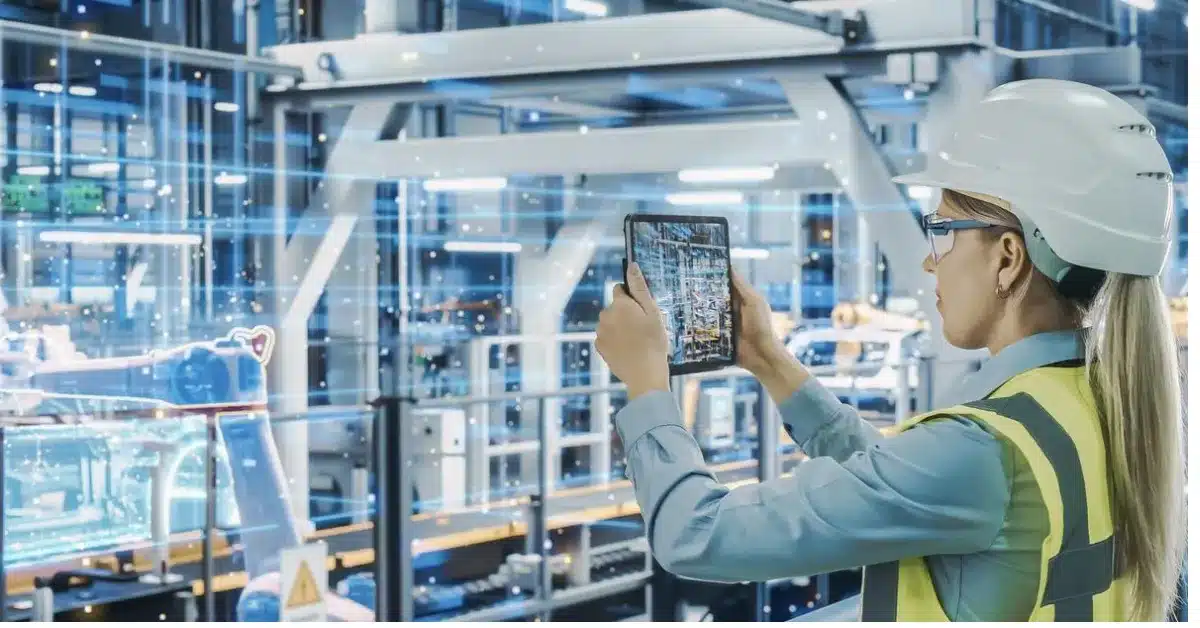
That’s where MRP software changes the game. As the core engine of smart factory environments, MRP software synchronizes your materials, workforce, and workflows to actual demand—turning guesswork into precision. In this blog, we’ll explore how modern MRP software works, how it powers Industry 4.0 innovations like IoT and automation, and how ERPByNet’s ERP platform puts manufacturers in full control of their production planning.


What Is MRP and Why It Matters More Than Ever

Material Requirements Planning, or MRP, is a system that calculates the materials and components required to manufacture a product. It ensures that inventory levels are kept just right—not too much to tie up capital, not too little to halt production.

The concept first gained popularity in the 1970s, born out of a need for precision in manufacturing. Since then, MRP has evolved into a cornerstone of ERP (Enterprise Resource Planning) platforms. In smart factories today, it plays a more strategic role—integrating with IoT sensors, automation tools, and production schedules to create a lean, responsive production environment.

In other words, MRP transforms your shop floor from reactive chaos into a synchronized, data-driven ecosystem.

MRP in the Era of Industry 4.0

MRP in the Era of Industry 4.0

Interlinking IoT and Real-Time Data

In the modern smart factory, machines aren’t just mechanical—they’re digital collaborators. IoT devices embedded in machinery now feed real-time data into your ERP system. From temperature readings to runtime logs, this data empowers the MRP engine to make informed decisions on-the-fly.

Imagine a machine goes down unexpectedly. With IoT-connected alerts and predictive maintenance insights, your MRP module recalibrates production timelines and reorders parts automatically, reducing downtime and waste.

Automation: Beyond the Assembly Line

Automation isn’t just about robots on the factory floor. It extends to scheduling, procurement, and quality control. MRP, integrated within ERPbyNET’s system, leverages automation to:

  • Auto-generate purchase orders when stock levels drop
  • Schedule job orders based on machine availability
  • Align deliveries with vendor performance data 

This shift from manual coordination to automation means fewer delays and more consistent throughput.

Lean Manufacturing Principles Baked In

Lean isn’t just a buzzword—it’s a necessity. Excess inventory, waiting time, overproduction, and defects cost time and money. MRP supports lean manufacturing by ensuring you’re only procuring what you need, when you need it. It forecasts demand based on past data, current orders, and supplier timelines, enabling smarter procurement and reduced waste.

With ERPByNet’s resource planning software, lean practices are no longer aspirational—they’re operationalized.

Use Case: How One Factory Reduced Stockouts by 87%

A mid-sized precision engineering firm in Pune faced persistent raw material shortages despite having months of inventory data. The reason? Their procurement was reactive. Purchases were made manually, often based on last month’s usage, not actual demand.

After implementing ERPByNet’s integrated ERP platform with MRP capabilities:

  • Stockouts fell by 87% within the first quarter
  • Lead time on key components dropped by 40%
  • Inventory carrying costs reduced by 22% 

All because production planning was no longer a guessing game—it became a science.

Key Components of an Effective MRP software

Key Components of an Effective MRP software

Bill of Materials (BOM)

MRP starts with the BOM—a comprehensive list of raw materials, components, and subassemblies needed to manufacture a product. ERPByNet automatically maps BOMs to sales orders, ensuring accurate demand forecasting.

Master Production Schedule (MPS)

This outlines what needs to be produced, in what quantity, and by when. Our MRP engine adjusts the MPS dynamically based on real-time demand, capacity, and constraints.

Inventory Status File

ERPByNet gives you a live view of inventory across all locations—what’s in stock, what’s in transit, and what’s committed to production.

Procurement & Supply Coordination

When MRP identifies a shortage, the system triggers procurement orders instantly. It also accounts for supplier lead times and price variations, helping you stay within budget.

MRP vs. Traditional Planning Tools

Feature ERPByNet MRP System Spreadsheets / Legacy Tools
Real-Time Material Visibility Yes No
Automated Purchase Triggers Yes Manual
BOM Integration Dynamic Static or External
Demand Forecasting Predictive AI-Backed Historical Guesswork
Supplier Management Integrated with Lead Times Siloed
Waste Reduction High Low


The Bigger Picture: MRP as a Growth Enabler

Implementing MRP is not just a production move—it’s a growth strategy. When you have reliable production planning:

  • Sales can commit to delivery dates with confidence
  • Procurement can negotiate better vendor terms
  • Finance can forecast cash flow with precision
  • Customers enjoy timely deliveries and better service 

The result? A resilient supply chain, higher margins, and faster scale-up capacity. In fact, according to a Forrester survey, manufacturers that adopted ERP-integrated MRP systems improved delivery performance by 19% and reduced operational costs by 25% within the first year.

Where ERPByNet Fits Into Your Smart Factory Strategy

Where ERPByNet Fits Into Your Smart Factory Strategy

At ERPByNet, we don’t believe in one-size-fits-all ERP. Our custom ERP solutions are tailored to the unique challenges of manufacturers navigating Industry 4.0.

Whether you’re building circuit boards or producing modular furniture, our MRP module is designed to:

  • Sync with IoT infrastructure
  • Support automation at every workflow stage
  • Drive lean, sustainable production 

Our team ensures that production planning software becomes the backbone of your factory—not just another tool you have to manage.

With real-time dashboards, configurable alerts, supplier portals, and predictive reports, ERPByNet brings visibility and control to every stage of your production lifecycle.

Conclusion: MRP Is the Control Tower of Your Smart Factory

You wouldn’t fly a plane without a flight plan—so why run a factory without MRP? As manufacturers embrace digitization, the need for intelligent, responsive production planning is non-negotiable. MRP sits at the core of this transformation—connecting sales, inventory, procurement, and production into a seamless flow.

And when powered by modern ERP platforms like ERPByNet, MRP doesn’t just help you survive in today’s market—it sets you up to lead it.

At ERPByNet, we equip manufacturers with ERP systems that think, adapt, and grow with you. Ready to elevate your production strategy? Let’s plan smarter, together.

Name

FAQs

Still have questions about MRP and how it fits into your factory? Let’s clear them up.

What’s the difference between MRP and ERP?

MRP focuses on materials and production planning, while ERP covers broader business functions like finance, HR, and CRM. At ERPByNet, MRP is a core module within our ERP suite.

Can MRP help if we have unpredictable customer demand?

Yes. Our MRP system uses historical sales data and real-time input to adjust production and procurement dynamically—even for fluctuating demand cycles.

Is MRP only for large manufacturers?

Not at all. MRP is crucial for small and mid-sized manufacturers looking to improve delivery reliability, manage costs, and scale efficiently.

How does MRP support lean manufacturing?

MRP minimizes excess inventory, aligns production with real demand, and reduces wait times—directly supporting lean principles.

Can ERPByNet’s MRP module integrate with our existing machines or IoT tools?

Yes. ERPByNet supports API integrations and IoT compatibility, allowing data from shop floor machines to directly inform planning and decision-making.

How long does it take to implement an MRP system with ERPByNet?

Implementation timelines vary, but most clients are fully operational within 6–8 weeks with our guided onboarding process.


CategoriesMRP Services for Smart Manufacturing & Production Planning | ERPbyNet

From Raw Materials to Delivery: How MRP Software Streamlines Every Step

Your production manager just called—again. A critical part is missing, delaying an urgent order for your biggest client. The procurement team swears they ordered it. The warehouse team insists they never received it. Meanwhile, sales is still promising “next-day delivery” because their system says stock is fine. Welcome to another episode of “Friday Fire Drills,” courtesy of disconnected systems and Excel hell.

Growing businesses often run on a mix of Google Sheets, gut instinct, and morning caffeine. When operations stretch across multiple departments—from purchasing and manufacturing to warehouse logistics and delivery—manual methods crumble under pressure. Your spreadsheets can’t tell you why stockouts happen or how much raw material you’ll need next month. They only show you what’s already broken.

This is where Smart MRP (Material Requirements Planning) steps in—not just as a solution, but as a strategy. It’s the bridge that connects demand forecasting with real-time production and inventory decisions. At ERPByNet, we help manufacturers, suppliers, and product-based businesses implement intelligent MRP software that bring clarity, control, and confidence to their entire supply chain.

What Is Smart MRP, and Why Does It Matter?

Material Requirements Planning isn’t new. Born in the 1960s and popularized by manufacturing giants, traditional MRP software focused on ensuring materials were available when needed. But today’s business climate demands more than just scheduling raw materials.

Smart MRP, embedded in modern ERP platforms, goes further. It integrates with inventory management, finance, HR, procurement, and CRM to give you a unified, real-time view of your operations. It’s not just about having the right materials—it’s about aligning your entire production flow from raw material planning to final delivery.

Think of it as the difference between using a paper map and a GPS with live traffic updates.

Looking to implement a scalable planning solution? Check out our custom ERP solutions tailored for manufacturers.

The Problem with Patchwork Operations

Problem with Patchwork Operations for mrp software

1. Inventory Blind Spots

One of the biggest pains in product-based industries? Ordering too much or too little. Overstock eats into your cash flow. Understock leads to missed deliveries and lost trust.

Smart MRP uses demand forecasting and historical sales data to predict needs with accuracy, reducing the guesswork.

According to Forrester Research, companies using intelligent planning systems reduce inventory costs by up to 20 percent while improving order fulfillment by 30 percent.

2. Production Bottlenecks

Without a clear overview of available materials and labor, production often stalls at the worst times. Smart MRP identifies potential slowdowns before they happen, so you can reroute resources.

3. Siloed Departments

When sales, production, procurement, and finance each use their own tools, miscommunication becomes the norm. Smart MRP systems break these silos by syncing data across roles and departments.

Meronym Breakdown: Smart MRP integrates dashboards, roles, permissions, APIs, and BOM (Bill of Materials) to provide a full picture.

Use Case: A Multi-Location Furniture Manufacturer

Imagine a growing furniture startup with three warehouses and a central production unit. Before implementing ERPByNet’s MRP solution, they suffered frequent issues:

  • Raw materials shipped to the wrong location
  • Finished goods delayed due to missing screws or fabric
  • Confusion between actual stock vs what was “expected”
  • Orders cancelled or refunded due to poor ETA visibility

After Implementation:

  • Warehouse transfers and raw material needs auto-triggered based on sales orders
  • Real-time dashboards showed each location’s stock, in transit items, and work-in-progress
  • Procurement synced with BOM to order exact quantities, reducing overstock by 18 percent
  • On-time delivery rate jumped from 72 percent to 94 percent within three months

Result: Happier customers, fewer operational emergencies, and predictable performance.

Traditional Planning Tools vs Smart MRP: Comparison Table

Traditional Planning Tools vs Smart MRP: Comparison Table

Feature Excel/Manual Tools Smart MRP by ERPByNet
Real-Time Inventory Updates Manual entry only Automated & synced
BOM Integration Prone to errors Centralized & dynamic
Multi-Location Coordination Hard to track Real-time location mapping
Demand Forecasting Static, guess-based AI-driven predictions
Procurement Automation Reactive Predictive, rule-based
Cost Control Indirect Transparent & traceable

Beyond the Factory: Strategic Benefits of Smart MRP

1. Financial Accuracy

When your planning is reactive, budgeting becomes a nightmare. Smart MRP aligns procurement with production needs, making cash flow smoother and reducing unplanned spend.

2. Regulatory Compliance

From batch tracking to audit logs, Smart MRP ensures your supply chain complies with ISO, FDA, or local manufacturing standards.

3. Scalability

With role-based access, workflow automations, and modular extensions, your system scales as your business grows—without needing to start over.

4. Integration with Legacy Tools

ERPByNet’s Smart MRP can integrate with existing platforms like Zoho ERP, SAP, or NetSuite via APIs—so you don’t have to discard tools that already work.

ROI of Smart MRP: The Numbers Speak

  • 15 to 20 percent lower inventory carrying costs
  • 25 percent reduction in production downtime
  • 30 percent boost in customer satisfaction
  • Three to six months average payback period

Source: Statista ERP Trends Report, 2024

Conclusion: Every Step Counts, So Plan Every Step

You wouldn’t build a house without a blueprint. So why manage a business without a plan for materials, production, and delivery?

Smart MRP isn’t a luxury—it’s a necessity. Whether you’re scaling your first warehouse or managing global supply chains, ERPByNet’s MRP systems simplify your workflow, reduce costs, and help your team operate like a well-oiled machine.

At ERPByNet, we help businesses stay sane and scale smart by turning scattered operations into synchronized success. Ready to see what streamlined planning can do for your business?

Visit our Smart MRP solutions page to explore what’s possible: ERPByNet Smart MRP

Name

Frequently Asked Questions

What’s the difference between MRP and ERP?

ERP is the umbrella system that covers all business processes—finance, HR, sales, and operations. MRP is a component within ERP focused specifically on materials planning and production scheduling.

Can I use Smart MRP if I have multiple warehouses?

Yes. ERPByNet’s Smart MRP is designed for multi-location inventory coordination with real-time tracking and inter-warehouse transfers.

How long does MRP implementation take?

Depending on complexity, it typically takes between four to eight weeks. We offer phased rollouts to minimize disruption.

Is Smart MRP only for large manufacturers?

No. Our systems are tailored for small and medium businesses looking to scale without chaos. You don’t need a factory—you just need moving parts that need managing.

What if I already use Excel or Tally?

Smart MRP integrates with legacy systems or can gradually replace them. Many clients start with core modules and expand as needed.

How does MRP improve ROI?

By reducing material wastage, avoiding over-purchasing, and improving delivery timelines, most businesses recover their investment within three to six months.


CategoriesMRP Services for Smart Manufacturing & Production Planning | ERPbyNet

AceMRP: The Ultimate MRP Solution for Modern Businesses

Are you ready to take your manufacturing and supply chain operations to the next level? AceMRP is the ultimate MRP software designed to streamline your processes with real-time inventory management, seamless automation, and intelligent production planning. Say goodbye to inefficiencies and outdated systems! With AI-driven demand forecasting, barcode tracking, and automated procurement, this powerful MRP software empowers your business to optimize resources, reduce costs, and increase productivity. Whether you’re a small startup or an established enterprise, AceMRP grows with you, providing scalable solutions that integrate effortlessly with your existing systems. Embrace the future of manufacturing with IoT integration and blockchain security for smarter, more secure supply chain management. Unlock the full potential of your operations today with AceMRP—your trusted MRP software for efficiency, growth, and long-term success!

What is AceMRP?

AceMRP is an advanced Material Requirements Planning (MRP) software designed to help businesses optimize their supply chain, procurement, and production processes. Built with modern features, AceMRP ensures that businesses can manage inventory effectively, reduce material wastage, and improve operational efficiency.

Unlike conventional ERP systems, which may offer MRP as an add-on module, AceMRP is designed specifically to address manufacturing industry challenges by offering real-time insights and automation.

Key Features of AceMRP

Key-Features-of-AceMRP

1. Real-Time Inventory Management

AceMRP provides businesses with real-time stock tracking, ensuring that raw materials, components, and finished goods are always available. This prevents production delays caused by stock shortages.

2. Automated Purchase Order Management

The software streamlines procurement by automating purchase orders based on demand forecasts and stock levels. This ensures just-in-time inventory, reducing carrying costs and wastage.

3. Engineering Change Notification (ECN)

For businesses that deal with constant product design and development changes, AceMRP offers Engineering Change Notification (ECN), ensuring that modifications are efficiently communicated across departments.

4. Seamless Integration with Tally and Other ERP Systems

AceMRP seamlessly integrates with Tally and other ERP solutions, making it easier to sync financial transactions and inventory records. This feature helps businesses maintain accurate accounting and reporting.

5. Barcode-Based Inventory Management

The built-in barcode scanning feature allows businesses to track inventory efficiently, reduce manual errors, and speed up warehouse operations.

6. Demand Forecasting and Production Planning

AceMRP uses advanced algorithms to predict future demand trends, helping manufacturers optimize production schedules, minimize overproduction, and ensure on-time delivery.

Why Businesses Need AceMRP

1. Enhanced Supply Chain Optimization

AceMRP ensures smooth coordination between raw material procurement, production, and distribution, reducing lead times and enhancing overall supply chain efficiency.

2. Cost Reduction

By implementing AceMRP, businesses can significantly reduce material wastage, excess inventory, and storage costs. The just-in-time (JIT) approach ensures that materials are available exactly when needed.

3. Improved Production Efficiency

With features like real-time stock updates, automated workflows, and production scheduling, AceMRP minimizes human intervention and errors, ensuring higher productivity and faster turnaround times.

4. Scalability for Growing Businesses

AceMRP is designed to support small, medium, and large enterprises, making it an ideal choice for businesses looking to scale without operational bottlenecks.

How AceMRP Stands Out From Other MRP Solutions


How-AceMRP-Stands-Out-From-Other-MRP-Solutions-


1. Cloud-Based Accessibility

Unlike traditional on-premise MRP systems, AceMRP is web-based, allowing businesses to access data anytime, anywhere through cloud computing.

2. User-Friendly Interface

Many MRP solutions are complex and difficult to implement. AceMRP comes with an intuitive, easy-to-use interface, reducing the learning curve and making adoption seamless.

3. Customization Options

Businesses have unique requirements, and AceMRP offers customizable modules to cater to different industries, including manufacturing, automotive, pharmaceutical, and textile industries.

4. Enhanced Data Security

With advanced encryption and role-based access, AceMRP ensures that sensitive business data remains secure from unauthorized access.

Implementing AceMRP: Best Practices

1. Define Business Requirements

Before implementing AceMRP, businesses should clearly define their supply chain needs, inventory control strategies, and production workflow requirements.

2. Train Employees for Efficient Usage

Successful MRP implementation requires training employees to use the system effectively. AceMRP provides comprehensive user training and support.

3. Monitor Performance and Optimize Workflows

Regular performance monitoring and reporting can help businesses identify bottlenecks and optimize operations for better productivity.

Future Trends in MRP & How AceMRP is Leading the Way

The manufacturing industry is rapidly evolving with the adoption of Industry 4.0 technologies, and AceMRP is at the forefront of this transformation. Here’s how it’s embracing the future:

  • AI-Driven Predictive Analytics: AceMRP harnesses machine learning to analyze historical data, predict demand fluctuations, and optimize resource planning. This results in better decision-making and minimized production delays.
  • IoT-Powered Smart Manufacturing: By integrating Internet of Things (IoT) devices, AceMRP enables real-time monitoring of machine performance, material consumption, and production efficiency. This enhances operational visibility and reduces downtime.
  • Blockchain for Secure Supply Chain Management: AceMRP incorporates blockchain technology to create secure, verifiable, and tamper-proof records for supply chain transactions, ensuring transparency and trust among stakeholders.
  • Cloud & Mobile Accessibility: AceMRP is advancing towards mobile-first solutions, allowing managers and stakeholders to monitor inventory, track procurement, and oversee production remotely—enhancing convenience and agility.

With these innovations, AceMRP is setting a new standard in Material Requirements Planning, helping businesses adapt to modern challenges while staying competitive in an evolving market.

Schedule a Demo and See AceMRP in Action

Are you ready to take your manufacturing and supply chain processes to the next level? AceMRP is your all-in-one solution for efficient production planning, real-time inventory management, and seamless automation. Don’t let outdated systems hold you back—streamline your operations and boost productivity today with AceMRP.

Schedule a demo now and see how AceMRP can revolutionize your business! Contact us to learn more and get started with the most advanced MRP solution on the market.

Name
Verified by MonsterInsights